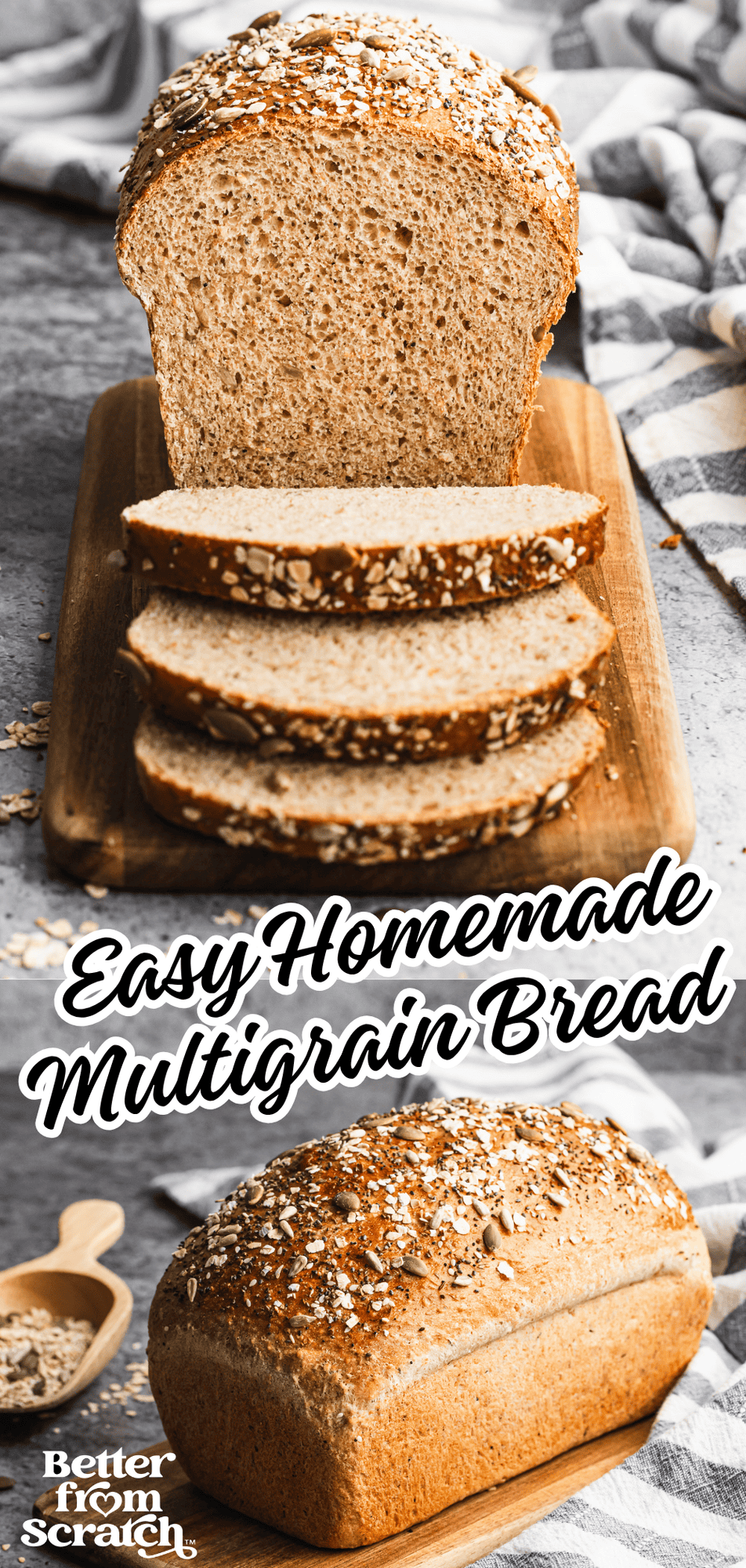
Unlock the Joy of Baking: Your Simple Multigrain Bread Recipe Awaits!
There's something uniquely comforting and deeply satisfying about the aroma of freshly baked bread wafting through your home. For many, the idea of baking bread from scratch, especially a wholesome multigrain loaf, can seem daunting. Visions of complex techniques, finicky yeast, and endless kneading often deter aspiring bakers. But what if we told you that creating a delicious, nourishing multigrain bread doesn't require culinary wizardry? This article will guide you through a simple homemade multigrain bread recipe designed specifically for beginner bakers, proving that anyone can master the art of the perfect loaf.
Inspired by the recent surge in home baking and the joy of creating something wholesome with your own hands, we've distilled the process into an easy-to-follow method. Say goodbye to store-bought loaves and hello to the incredible taste and texture of your very own Easy Whole Wheat & Spelt Multigrain Bread at Home. Get ready to impress yourself and your loved ones with a loaf that's not only incredibly tasty but also packed with good-for-you grains and seeds.
Why Embrace the Simple Homemade Multigrain Bread Recipe?
The appeal of baking your own bread goes far beyond just saving a trip to the bakery. When you follow a simple homemade multigrain bread recipe, you gain complete control over the ingredients, ensuring no unwanted additives or preservatives find their way into your food. This control translates into a healthier, more wholesome product for you and your family.
- Unbeatable Freshness: Nothing compares to a slice of bread still warm from the oven, with its crusty exterior and soft, airy interior. This freshness is simply unmatched by anything you can buy.
- Nutrient Powerhouse: Multigrain bread, particularly when made with whole wheat and spelt flours, offers a richer nutrient profile compared to white bread. It's an excellent source of fiber, B vitamins, and various minerals, contributing to better digestion and sustained energy.
- Customization is Key: Unlike mass-produced bread, your homemade version allows for endless customization. Want more seeds? Add them! Prefer a touch of sweetness? Adjust the sugar. This recipe is incredibly versatile, adapting to your pantry and preferences.
- A Rewarding Experience: There's immense satisfaction in watching simple ingredients transform into a beautiful loaf. It's a therapeutic process that yields delicious results, building confidence in the kitchen. Plus, the delightful aroma that fills your home is a bonus!
- Naturally Vegan: Many simple multigrain bread recipes, including this one, are naturally vegan, making them suitable for a wide range of dietary preferences without needing special substitutions.
Essential Ingredients and Tools for Your First Loaf
One of the beauties of this simple homemade multigrain bread recipe is that it relies on readily available pantry staples and basic kitchen tools. You won't need any fancy equipment like a Dutch oven; a standard loaf pan will work perfectly.
Key Ingredients:
- Flours: We'll focus on a blend of whole wheat flour and spelt flour. Whole wheat provides robust flavor and fiber, while spelt (an ancient grain) offers a slightly nutty taste and a softer texture. Some recipes might also incorporate a touch of all-purpose flour to balance stronger flavors, or even buckwheat flour for a rich, nutty depth.
- Yeast: Active dry yeast or instant yeast will be your leavening agent. Yeast is a living organism that, when activated, produces carbon dioxide, causing your bread to rise.
- Water: Lukewarm water (around 105-115°F or 40-46°C) is crucial for activating the yeast. Water that's too hot will kill it, and water that's too cold won't activate it properly.
- Sweetener: A small amount of sugar, honey, or maple syrup not only adds a subtle sweetness but also feeds the yeast, helping it to activate and proof effectively.
- Salt: Essential for flavor development and controlling yeast activity. Don't skip it!
- Oil: A touch of olive oil or another neutral oil adds moisture, tenderness, and helps with browning.
- Mixed Seeds/Grains: This is where the "multigrain" magic truly happens! Think pumpkin, flax, sesame, hemp, poppy, and sunflower seeds, or even whole oats. These add fantastic texture, flavor, and nutritional value. Blended flax seeds are often easier to digest.
Essential Tools:
- Large Mixing Bowl: Or a stand mixer bowl if you have one.
- Measuring Cups and Spoons: For accurate ingredient ratios.
- Loaf Pan(s): Standard 9x5 inch loaf pans are ideal. You can make one large loaf or several smaller, individual ones.
- Clean Kitchen Towel or Plastic Wrap: For covering the dough during rising.
- Oven: Of course!
The Step-by-Step Simple Homemade Multigrain Bread Process
Baking bread is a process of stages, each contributing to the final delicious outcome. Follow these steps, and you'll be well on your way to a perfect loaf.
Proofing Your Yeast: The First Step to Success
This is arguably the most crucial step for beginner bakers, as it confirms your yeast is alive and active. In a large bowl, combine your lukewarm water with the sugar (or chosen sweetener) and sprinkle the yeast over the top. Gently stir and let it sit for 5-10 minutes. If the mixture becomes foamy and bubbly, your yeast is active and ready to go. If not, your yeast might be old or the water temperature was off, and it's best to start again with fresh yeast.
Mixing and Kneading the Dough
Once your yeast is proofed, add the flours, salt, and oil to the bowl. Mix everything together with a wooden spoon or your hands until a shaggy dough forms. Turn the dough out onto a lightly floured surface and begin to knead. Kneading develops the gluten in the flour, giving the bread its structure and chewiness. For a beginner, 8-10 minutes of kneading is usually sufficient. The dough should become smooth and elastic. This is also the stage where you can mix in a couple of tablespoons of seeds or grains if you want them incorporated throughout the loaf, rather than just as a topping.
The Art of Rising (Proving)
Bread dough needs time to rise, allowing the yeast to do its work. This process, called proving, typically involves two stages:
- First Rise: Place the kneaded dough in a lightly oiled bowl, turning it once to coat. Cover the bowl with a clean kitchen towel or plastic wrap and let it rise in a warm, draft-free place for 1 to 1.5 hours, or until it has doubled in size. This is where you can add in seeds if you haven't already – simply gently fold them into the risen dough before proceeding.
- Shaping and Second Rise: Gently punch down the dough to release the air. Turn it out onto a lightly floured surface and shape it into a log that fits your loaf pan. Place the shaped dough into the prepared loaf pan, cover it again, and let it rise for another 30-45 minutes, or until it has nearly doubled in size and looks puffy. This is the perfect time to sprinkle any remaining seeds on top for an attractive and flavorful crust.
Baking Your Multigrain Masterpiece
Preheat your oven to the recommended temperature (typically around 375-400°F or 190-200°C). Once preheated, carefully place the loaf pan into the oven. Baking time usually ranges from 30-40 minutes. The bread is done when it's golden brown on top and sounds hollow when tapped on the bottom. For an accurate reading, an internal temperature of 200-210°F (93-99°C) signals a perfectly baked loaf. Let the bread cool completely on a wire rack before slicing. Slicing too early can result in a gummy texture.
Elevating Your Multigrain Loaf: Tips and Customizations
This simple homemade multigrain bread recipe is a fantastic starting point, but don't be afraid to experiment and make it your own!
- Seed Power-Up: While topping your loaf with mixed seeds adds visual appeal and a pleasant crunch, consider toasting your seeds (pumpkin, flax, sesame, etc.) lightly in a dry pan before adding them. This intensifies their nutty flavor, adding another layer of complexity to your bread. You can also mix a few tablespoons of seeds directly into the dough after the first rise for an even distribution.
- Flour Variations: Don't limit yourself to just whole wheat and spelt. Experiment with other flours like a small percentage of rye flour for a denser crumb and robust flavor, or even a touch of cornmeal for texture. Remember that different flours absorb liquids differently, so you might need to slightly adjust the water content.
- Sweetness & Spice: For a slightly sweeter loaf, a spoonful of molasses or brown sugar can be used. A pinch of cinnamon or nutmeg can also add a delightful warmth, especially if you plan to use the bread for breakfast toast.
- Serving Suggestions: A warm slice of your homemade multigrain bread is fantastic on its own with a smear of homemade butter. It makes for unbeatable sandwiches (check out our Healthy Vegan Multigrain Sandwich Bread Guide for inspiration!) or the perfect accompaniment to a hearty bowl of soup, like a Thai-Inspired Vegan Green Pea Soup. For smaller, individual loaves, they're perfect for packed lunches or as dinner rolls.
- Storage: Store your cooled bread in an airtight container at room temperature for 3-4 days. For longer storage, slice the bread and freeze it in a freezer-safe bag for up to a month.
Ready to Bake Your Own?
Embarking on your bread-baking journey with a simple homemade multigrain bread recipe is a decision you won't regret. It demystifies a process that many find intimidating, opening up a world of fresh, wholesome, and delicious possibilities right in your own kitchen. From the satisfying process of kneading to the incredible aroma of a freshly baked loaf, every step is a rewarding experience. So gather your ingredients, clear your counter, and get ready to create something truly special. Your journey to becoming a confident home baker starts now!
