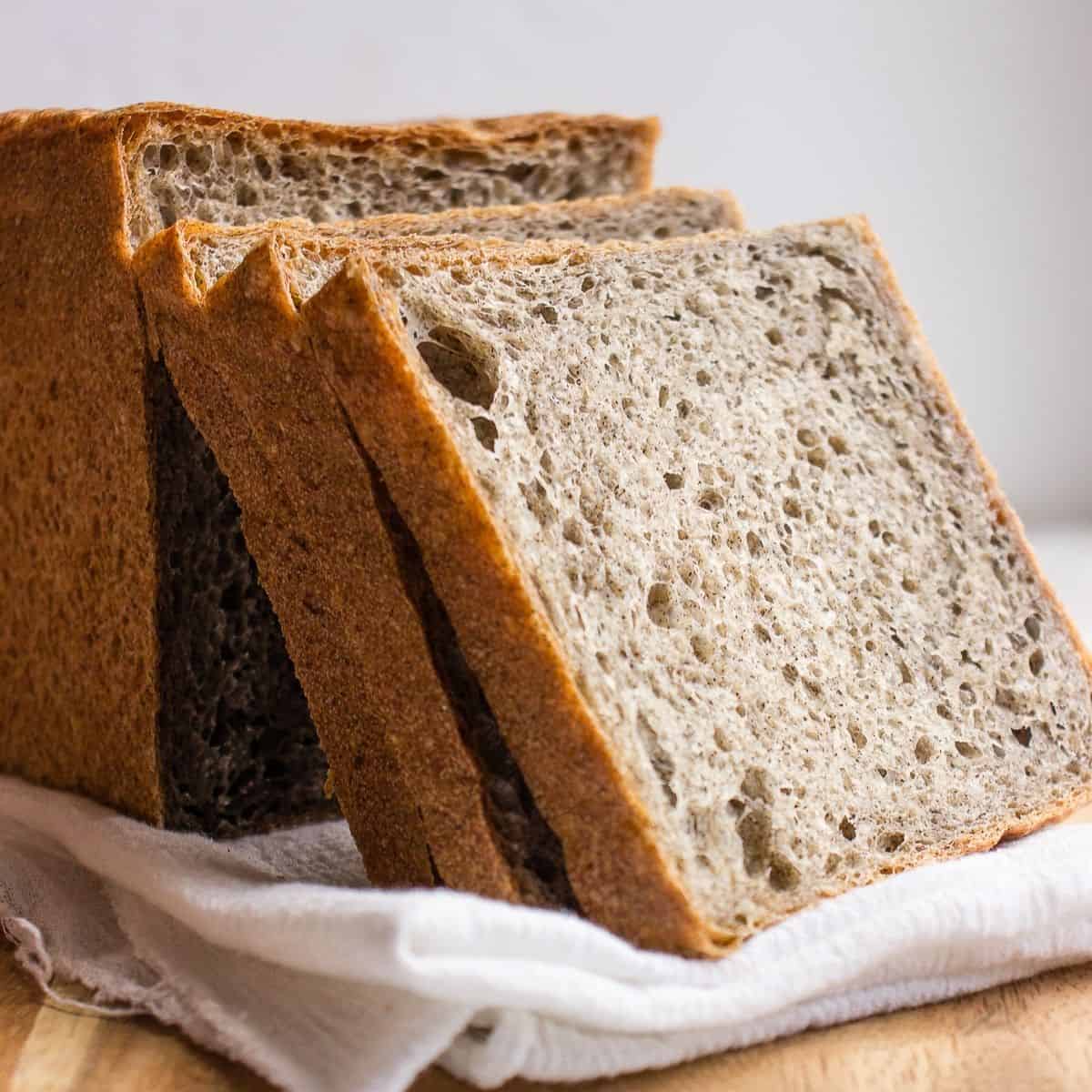
The Ultimate Healthy Vegan Multigrain Sandwich Bread Guide: Your Simple Homemade Multigrain Bread Recipe Awaits
There's a unique satisfaction that comes with pulling a warm, fragrant loaf of bread from your oven, especially when it's made entirely from scratch. For many, the idea of baking bread at home can seem daunting, a culinary Everest reserved for seasoned bakers. However, we're here to shatter that myth and guide you through crafting a healthy, delicious, and naturally vegan multigrain sandwich bread that's so simple, even absolute beginners will feel like pros. Get ready to discover your new favorite simple homemade multigrain bread recipe! This isn't about becoming an artisanal bread connoisseur overnight. Our goal is to empower you with an accessible, no-fuss method for creating wholesome bread perfect for your morning toast, lunchtime sandwiches, or simply enjoyed with a pat of vegan butter. Forget complex techniques or expensive equipment – with just a few pantry staples and a couple of loaf pans, you’re well on your way to baking success.Why Embrace the Simple Homemade Multigrain Bread Recipe?
Making bread at home is more than just a kitchen activity; it's a rewarding experience that offers numerous benefits beyond delicious taste:- Unrivaled Freshness and Flavor: Nothing compares to the taste and aroma of freshly baked bread. Store-bought loaves simply can't compete with the depth of flavor and tender crumb you achieve at home.
- Ingredient Control: When you bake your own bread, you know exactly what goes into it. This means no unpronounceable preservatives, artificial additives, or excessive sugars. For those seeking a *healthy vegan multigrain sandwich bread*, this control is invaluable.
- Cost-Effectiveness: While the initial purchase of flours and seeds might seem like an investment, homemade bread often proves to be significantly cheaper than buying specialty multigrain loaves from the bakery.
- Therapeutic Process: From the gentle kneading to watching the dough rise, bread making can be a surprisingly meditative and stress-relieving activity. It’s a wonderful way to unwind and engage your senses.
- Accessibility for All: Many believe bread making requires a Dutch oven or a stand mixer. While these tools can be helpful, this particular simple homemade multigrain bread recipe is designed to be achievable with basic kitchen tools – a large bowl and your hands will do the trick!
The Multigrain Advantage: Flours, Seeds, and Flavor Profiles
The "multigrain" in our bread isn't just a fancy term; it's about building a complex flavor profile and nutritional powerhouse. Our approach combines various flours and seeds to create a loaf that's both hearty and wonderfully textured.Choosing Your Flours: The Heart of Your Loaf
For a robust yet approachable texture, we recommend a blend of flours:
- Whole Wheat Flour: This provides a deep, earthy flavor and a significant boost of fiber, contributing to the "healthy" aspect of our bread. It’s the backbone of many hearty loaves.
- Spelt Flour: An ancient grain, spelt flour offers a slightly nutty flavor and a lighter, more tender crumb than 100% whole wheat. For some, spelt is also easier to digest. Blending it with whole wheat gives you the best of both worlds, as explored in our Easy Whole Wheat & Spelt Multigrain Bread at Home guide.
- Buckwheat Flour: While optional, incorporating a small amount of buckwheat flour introduces a distinct rich, nutty, and slightly earthy flavor that adds wonderful depth, reminiscent of artisanal bakery bread.
- All-Purpose Flour: To ensure the bread isn't too dense or overpowering with strong grain flavors, a portion of all-purpose flour helps create a balanced texture and a softer crumb that's ideal for sandwiches. It helps temper the stronger notes of the whole grains.
Elevating Flavor and Nutrition with Seeds
This is where the "multigrain" truly shines! Adding seeds not only boosts the nutritional content with healthy fats, protein, and fiber, but also introduces delightful textural elements and enhanced flavors. You can be incredibly versatile here:
- Pumpkin Seeds: Offer a satisfying crunch and a subtly sweet, nutty taste.
- Flax Seeds: Rich in omega-3 fatty acids. For maximum absorption of nutrients, consider blending or grinding them before adding to the dough.
- Sesame Seeds: Provide a delicate crunch and a distinct nutty flavor, especially when toasted.
- Hemp Seeds: A complete protein source with a mild, nutty flavor.
- Poppy Seeds: Add a subtle flavor and a unique texture.
- Sunflower Seeds: Hearty and full of flavor, they add a substantial bite.
- Rolled Oats: Can be incorporated for extra chewiness and fiber.
Pro Tip: Toasting any seeds lightly in a dry pan before adding them to your dough (or as a topping) can dramatically enhance their flavor, bringing out their inherent nuttiness and aroma. If using them as a topping, be mindful not to over-toast if your dough is very dry, as they can burn easily.
Mastering the Basics: A Beginner's Approach to Homemade Multigrain Bread
The beauty of this simple homemade multigrain bread recipe lies in its straightforward process. Don't be intimidated; each step is manageable and rewarding.- Proofing the Yeast: The Wake-Up Call: This crucial first step ensures your yeast is active and ready to make your bread rise. In a large bowl (or a stand mixer bowl if you're using one), combine warm water (not hot, which can kill the yeast!), a spoonful of sugar (which the yeast feeds on), and your active dry yeast. Let it sit for 5-10 minutes until it becomes foamy. If it doesn't foam, your yeast might be expired, or your water was too hot/cold – time to try again!
- Mixing Your Dough: Once your yeast is bubbly, add your chosen flours, salt, and any additional seeds you want to incorporate *into* the dough (saving some for topping, if desired). Mix everything together until a shaggy dough forms.
- Kneading for Development: Kneading develops the gluten in the flour, which gives bread its structure and chewiness. You can do this by hand on a lightly floured surface or using a stand mixer with a dough hook. Knead for about 8-10 minutes until the dough is smooth and elastic. It should spring back when lightly poked.
- The First Rise (Bulk Fermentation): Lightly oil your mixing bowl, place the dough in it, and turn to coat. Cover with a clean kitchen towel or plastic wrap and place in a warm, draft-free spot. This is where the magic happens – the yeast gets to work, making the dough double in size, usually taking 1-2 hours depending on the temperature. Patience is key here!
- Shaping Your Loaf: Gently punch down the risen dough to release the air. Turn it out onto a lightly floured surface and shape it into a neat log that fits snugly into your prepared loaf pan(s). You can make one large loaf or two smaller, individual ones. The smaller loaves are fantastic when served warm with a hearty soup, like a Thai-Inspired Vegan Green Pea Soup.
- The Second Rise (Proofing in the Pan): Place the shaped dough in your oiled loaf pan(s), cover loosely, and let it rise again in a warm spot for another 30-60 minutes, or until it has noticeably puffed up and almost reached the top of the pan. This second rise ensures a light and airy crumb.
- Baking to Golden Perfection: Preheat your oven. If desired, brush the top of your risen dough with a little plant-based milk or water for a crispier crust, and sprinkle with your chosen seeds (like poppy, sesame, or sunflower). Bake until the crust is golden brown and the internal temperature reaches around 200-210°F (93-99°C).
- Cooling is Crucial: Once baked, immediately remove the bread from the loaf pan and transfer it to a wire rack to cool completely. Slicing into hot bread can make it gummy, so resist the urge!
