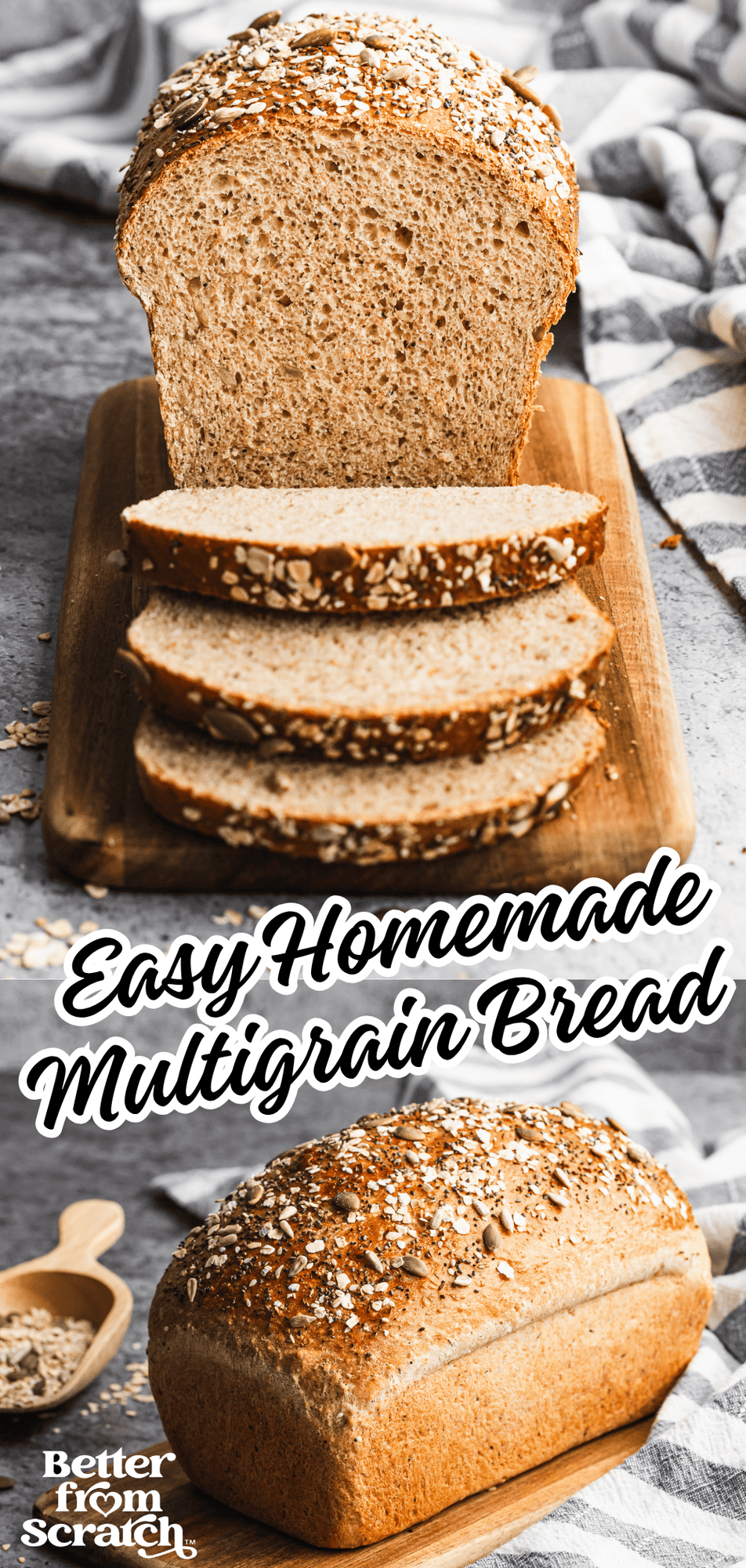
There's a special kind of magic in the aroma of freshly baked bread filling your home. For many, the idea of baking bread from scratch seems daunting, reserved for seasoned bakers with years of experience. But what if we told you that creating a delicious, wholesome loaf doesn't require complex techniques or specialized equipment? Indeed, mastering a simple homemade multigrain bread recipe is far more accessible than you might think.
Inspired by a renewed love for home baking, as shared by countless enthusiasts online, we're diving into an incredibly beginner-friendly method for a whole wheat and spelt multigrain bread. This recipe is not just easy; it's also naturally vegan, packed with nutrition, and yields loaves that are perfect for everything from daily toast to hearty sandwiches. Get ready to transform a few pantry staples into golden, crusty perfection, right in your own kitchen.
Why Bake Your Own Multigrain Bread? The Joys of Homemade Loaves
The journey into home bread baking is incredibly rewarding. Beyond the irresistible smell and taste, there are numerous benefits to making your own bread:
- Unmatched Freshness: Nothing compares to a slice of bread still warm from the oven. The texture, the flavor – it’s a sensory experience you simply can't buy.
- Ingredient Control: When you bake at home, you know exactly what goes into your bread. This means no artificial preservatives, additives, or unnecessary sugars, allowing you to create a truly healthy product. This particular whole wheat and spelt recipe is a fantastic choice for a nutritious loaf.
- Cost-Effective: While specialty multigrain breads can be pricey at bakeries, making your own often proves to be more economical in the long run.
- Therapeutic Process: For many, the act of kneading dough and watching it rise is a wonderfully meditative and stress-relieving activity. It's a fantastic way to engage your hands and mind.
- Beginner-Friendly: This simple homemade multigrain bread recipe is specifically designed for those new to bread making. You don't need fancy equipment like a Dutch oven; a standard loaf pan and a few basic tools are all you require.
Once you get a feel for the ingredients and methods, you'll wonder why you didn't start years ago. It’s an empowering feeling to pull a perfect loaf from the oven, making you feel like a seasoned pro.
Demystifying Multigrain Bread: What You Need to Know
The term "multigrain" often refers to bread made with two or more types of grains. While not all multigrain breads are inherently whole grain, our recipe specifically utilizes the goodness of whole wheat and spelt flours, elevating its nutritional profile and flavor.
The Power of Whole Wheat and Spelt
- Whole Wheat Flour: This is a cornerstone of healthy baking. Unlike refined white flour, whole wheat flour contains the entire wheat kernel—the bran, germ, and endosperm. This means it's rich in fiber, vitamins (like B vitamins), and minerals (such as iron, magnesium, and selenium). It gives the bread a heartier texture and a distinct, robust flavor.
- Spelt Flour: An ancient grain, spelt is a relative of wheat but has a slightly different genetic makeup. It's known for its nutty, slightly sweet flavor and a more delicate gluten structure compared to modern wheat, which some people find easier to digest. Spelt also brings a good dose of fiber, protein, and various minerals to the loaf, contributing to its complex taste and nutritional value.
Boosting Flavor and Nutrition with Seeds
Seeds are a fantastic addition to any multigrain bread, offering extra crunch, flavor, and a powerful nutritional boost. Our Simple Multigrain Bread Recipe for Beginner Bakers truly shines with a generous topping or inclusion of mixed seeds.
You can top your loaf with a variety of seeds, or even mix them into the dough itself for an added texture throughout. If mixing into the dough, it's best to do so after the first rise, just before shaping and transferring to your loaf tin. Consider these options:
- Pumpkin Seeds: Earthy, nutty, and rich in magnesium.
- Flax Seeds: A powerhouse of omega-3 fatty acids. Tip: Blending flax seeds into a meal before adding them to your dough can make their nutrients more bioavailable and easier for your body to digest.
- Sesame Seeds: Offer a distinct nutty flavor and are a good source of calcium.
- Hemp Seeds: Packed with protein and healthy fats.
- Poppy Seeds: Add a subtle crunch and visual appeal.
- Sunflower Seeds: A classic bread addition, providing a satisfying texture and healthy fats.
- Whole Oats: Can be incorporated for a softer crumb and extra fiber.
Pro Tip: Lightly toasting some of your seeds (especially for toppings) before adding them to the bread can significantly enhance their flavor, bringing out a deeper nuttiness. Just be mindful not to over-toast, especially if using them within a very dry dough, as they can absorb moisture.
Your Step-by-Step Guide to a Simple Homemade Multigrain Bread Recipe
This recipe breaks down the process into manageable steps, ensuring even absolute beginners can achieve a beautifully baked loaf. You'll be amazed at how straightforward this simple homemade multigrain bread recipe is!
- Proof the Yeast: This crucial first step ensures your yeast is active and ready to work. In a large bowl (or a stand mixer bowl), combine warm water (around 105-115°F or 40-46°C – think bathwater temperature, not too hot to kill the yeast, not too cold to inhibit it), a pinch of sugar (which feeds the yeast), and your active dry yeast. Give it a gentle stir and let it sit for 5-10 minutes. You should see a foamy layer form on top, indicating your yeast is alive and kicking!
- Combine Dry Ingredients: While your yeast proofs, whisk together the whole wheat flour, spelt flour, and salt in a separate bowl. This ensures even distribution.
- Mix the Dough: Once your yeast is foamy, add the combined dry ingredients to the yeast mixture. Using a sturdy spoon, your hands, or the dough hook attachment of a stand mixer, mix until a shaggy dough forms and all the flour is hydrated.
- Kneading for Texture: This recipe is designed to be forgiving. While traditional bread requires extensive kneading, a moderate knead is sufficient here. Knead the dough on a lightly floured surface (or in your stand mixer) for about 5-7 minutes. The dough should become smoother and more elastic. You're aiming for a dough that springs back slightly when poked.
- First Rise (Bulk Fermentation): Lightly oil a clean bowl. Place your dough in the bowl, turning it once to coat with oil. Cover the bowl with a clean kitchen towel or plastic wrap and place it in a warm, draft-free spot. Let it rise for 1 to 1.5 hours, or until it has doubled in size. This crucial step develops flavor and ensures a light, airy crumb.
- Add Seeds (Optional) & Shape the Loaf: Gently punch down the risen dough to release the air. If you're incorporating seeds into the dough, now is the time to lightly knead them in. Transfer the dough to a lightly floured surface. Shape it into a rectangular loaf that fits snugly into your greased loaf pan. You can make one large loaf or divide the dough for smaller, individual loaves – perfect for serving warm with Healthy Vegan Multigrain Sandwich Bread Guide spreads or soups.
- Second Rise (Proofing): Place the shaped dough in the greased loaf pan. Cover it again and let it rise for another 30-45 minutes, or until it has noticeably puffed up and almost doubled in size within the pan. Towards the end of this rise, preheat your oven to the specified temperature (typically around 375-400°F or 190-200°C).
- Bake: Once the oven is preheated and your dough has completed its second rise, you can brush the top with a little water or milk (dairy or non-dairy) and sprinkle with additional seeds for a beautiful crust. Bake for 30-40 minutes, or until the crust is golden brown and the internal temperature reaches 200-210°F (93-99°C).
- Cool: This step is vital! Once baked, immediately remove the bread from the loaf pan and transfer it to a wire rack. Let it cool completely (or at least until warm) before slicing. Slicing hot bread can result in a gummy texture.
Customizing Your Multigrain Masterpiece
One of the beauties of this simple homemade multigrain bread recipe is its versatility. Feel free to experiment!
- Different Flours: While whole wheat and spelt are fantastic, you could introduce a small percentage of other flours like buckwheat (as mentioned in a similar recipe, it imparts a rich, nutty flavor), rye, or even a touch of all-purpose flour for a lighter crumb.
- Sweet or Savory: For a slightly sweeter loaf, a tablespoon or two of honey or maple syrup can be added to the liquid during the yeast proofing stage. For savory notes, consider adding dried herbs like rosemary or thyme.
- Serving Suggestions: This bread is absolutely perfect for toast, slathered with vegan butter and jam, or as the foundation for incredible sandwiches. Smaller loaves are particularly delightful served warm alongside a comforting bowl of soup, such as a creamy Thai-inspired vegan green pea soup.
Troubleshooting Common Beginner Bread Baking Hurdles
Even with a simple homemade multigrain bread recipe, minor hiccups can occur. Don't be discouraged! Bread baking is a learning process, and understanding common issues can help you refine your skills.
- Yeast Didn't Foam: If your yeast didn't get bubbly, it might be dead (check expiration dates!) or the water was too hot (killed it) or too cold (didn't activate it). Start over with fresh yeast and correct water temperature.
- Dough Didn't Rise: This is usually a yeast issue (as above) or the environment wasn't warm enough. Ensure your dough is in a warm, draft-free spot during rising times.
- Bread is Too Dense: This can happen if the dough was under-proofed (didn't rise enough) or under-kneaded. Ensure you give it ample time to rise and knead until it feels elastic.
- Bread is Too Crumbly: Sometimes this is a sign of over-proofing, where the yeast has exhausted itself, or too much flour was added, making the dough too dry.
Remember, every bake is a chance to learn. Pay attention to how your dough feels and reacts, and you'll quickly develop an intuitive understanding of the process.
Baking your own multigrain bread doesn't have to be a complicated culinary feat. With this simple homemade multigrain bread recipe, you can create wholesome, delicious loaves right in your kitchen, even as a beginner. The combination of hearty whole wheat and flavorful spelt, enhanced by nutritious seeds, makes for an irresistible bread that is both satisfying and incredibly rewarding to make. So, roll up your sleeves, embrace the joy of home baking, and prepare to fill your home with the comforting aroma of fresh bread.
